
Blogs
Why DNA Testing Matters for Every Dog Owner and Responsible Breeder

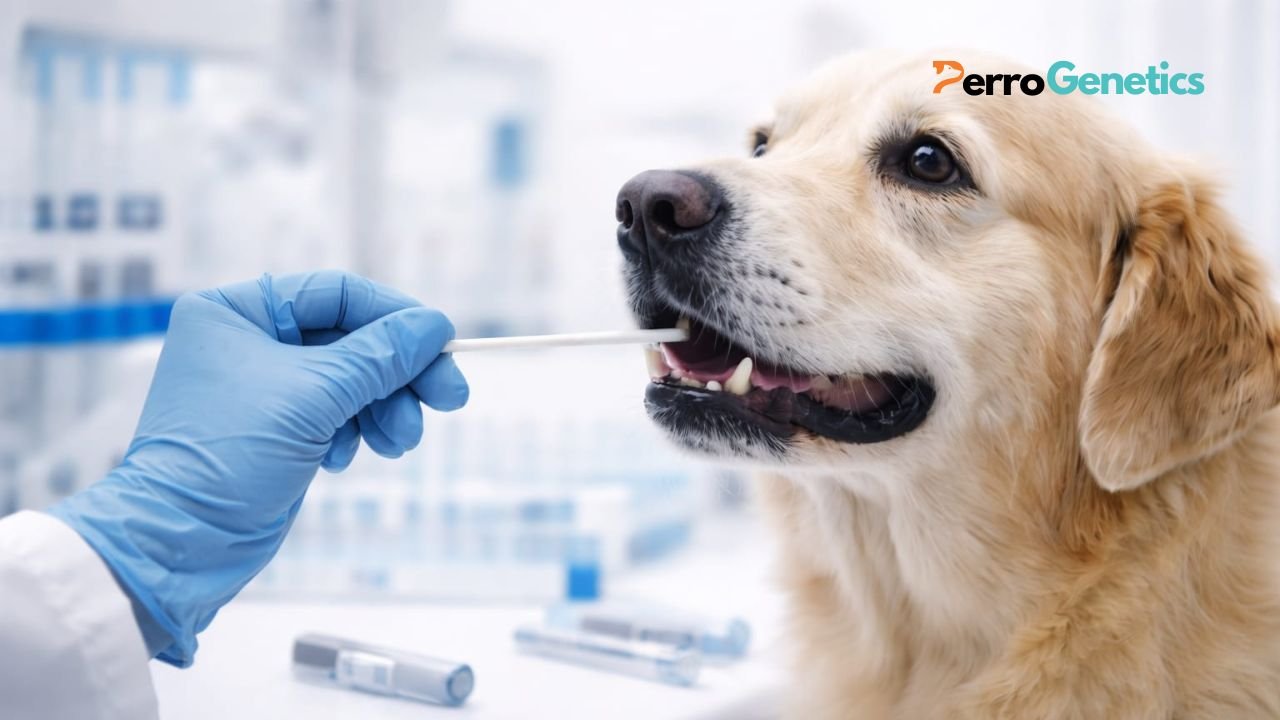
When people hear “dog DNA test,” most immediately think about breed identification. While discovering your dog’s ancestry can be exciting, modern canine DNA testing goes far beyond curiosity. It is a powerful tool for improving long-term health, making responsible breeding decisions, and protecting future generations. Let’s explore what dog DNA testing is truly for and why it matters.
🐾 1. Understanding Your Dog’s Genetic Health Risks
Modern DNA health tests can screen for hundreds of inherited conditions. These include eye disorders, neurological conditions, blood disorders, musculoskeletal diseases, and metabolic conditions. A dog may look perfectly healthy yet still carry genetic variants linked to specific diseases. Early knowledge allows proactive veterinary monitoring, informed lifestyle adjustments, responsible breeding planning, and prevention of affected litters. DNA testing does not replace veterinary care, but it enhances it.
🧬 2. Responsible Breeding Starts with Genetics
For breeders, DNA testing is no longer optional. It is a responsibility. Ethical breeding requires understanding which genetic conditions your dog carries, whether two dogs are compatible matches, and the risk of producing affected puppies. When two carriers of the same recessive condition are paired, puppies may be born affected. DNA testing helps breeders avoid preventable suffering, protect breed health, make informed pairing decisions, and increase transparency with puppy owners. Responsible breeding is data-driven breeding.
🐶 3. Breed Identification and Ancestry Insights
Breed identification tests analyze genetic markers to estimate breed composition. This is especially valuable for mixed-breed dogs, rescue dogs, and dogs with unknown lineage. Understanding breed background can help predict coat traits, size expectations, temperament tendencies, and exercise needs. However, ancestry testing is just one part of what modern DNA panels can provide.
🧪 4. Coat Colour and Trait Genetics
Many owners and breeders are interested in coat colours, pattern genes, dilution, merle, piebald, and tan points. Genetic testing allows accurate identification of trait carriers and avoids incorrect assumptions based solely on appearance. This is particularly important in breeding programs where certain combinations can have health implications.
📊 5. What DNA Testing Cannot Do
It is equally important to understand limitations. DNA tests do not guarantee a dog will develop a disease, do not replace clinical diagnosis, do not determine temperament entirely, and cannot predict environmental influences. Genetics is a foundation, not a full life story.
🏥 6. For Dog Owners: Peace of Mind
For pet owners, DNA testing offers clarity. Knowing your dog’s genetic profile allows you to monitor specific health risks, inform your veterinarian, and make lifestyle decisions tailored to your dog. Informed ownership leads to better long-term care.
🌍 7. The Bigger Picture: Protecting Future Generations
The true value of canine DNA testing lies in prevention. By making informed decisions today, we reduce the spread of inherited diseases, avoidable suffering, and unethical breeding practices. Genetic knowledge is not about creating perfect dogs. It is about creating healthier futures.
🧬 Final Thoughts
Dog DNA testing is not just a trend. It is a modern standard in responsible dog ownership and breeding. Whether you are a dedicated pet owner, a first-time puppy buyer, or a professional breeder, understanding genetics empowers better decisions. Knowledge protects dogs. And informed decisions protect generations.